
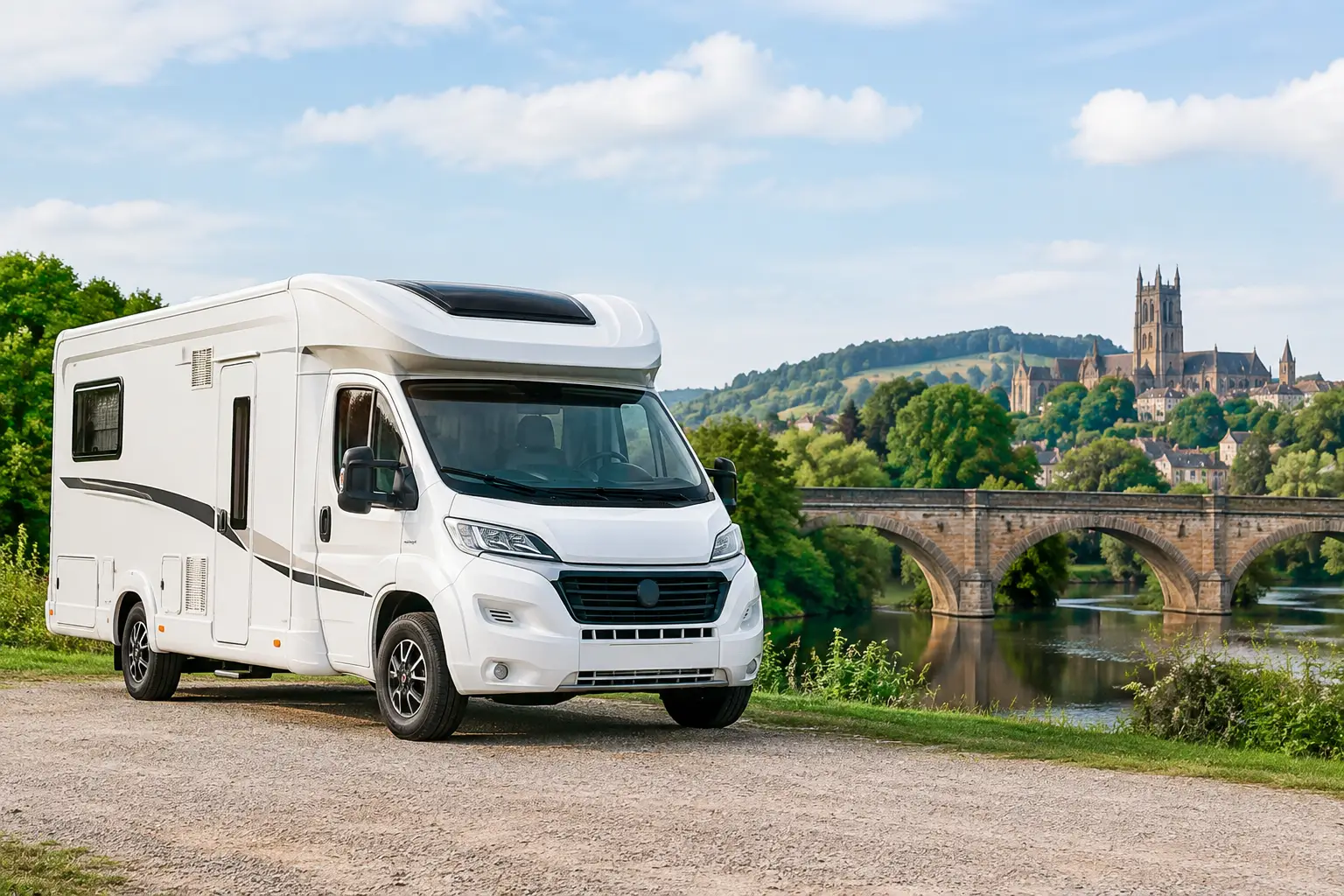
When searching for “used motorhomes Gloucestershire”, it is easy to focus on the photographs, layout and asking price. Those things matter, but the best purchase is one that suits the way you actually travel, has been cared for properly and comes with clear paperwork. Equally, if you are selling, a straightforward valuation and collection can be worth far more than weeks spent waiting for private buyers to turn up.
Gloucestershire is a brilliant base for motorhome ownership. The Cotswolds, Forest of Dean and nearby Welsh borders offer plenty of reasons to get away for a weekend, while longer touring holidays are within easy reach. Whether you are buying your first compact campervan or moving on from a larger coachbuilt model, a little care at the start helps make ownership enjoyable rather than expensive.
What makes a used motorhome the right choice?
A used motorhome can offer far more choice for your budget than a new model. You may be able to step into a better layout, a more established make or useful extras such as an awning, bike rack, solar panel, reversing camera or upgraded leisure battery. The previous owner may also have dealt with the initial depreciation already.
That does not mean every older vehicle is a bargain. Age alone is not the deciding factor. A well-maintained motorhome with a documented service history, dry habitation area and sensible mileage can be a better prospect than a newer example that has been neglected. Think about the full ownership picture: insurance, servicing, tyres, storage, fuel use and any work needed after purchase.
Your ideal vehicle also depends on how many people are travelling and where you plan to stay. A two-berth van conversion is often easier to park and can be ideal for couples taking short breaks. Families may need four travel belts, permanent beds and more storage, but a larger motorhome can feel less convenient on narrow Cotswold lanes or busy campsites. There is no single best layout – there is only the layout that makes your trips easier.
Checks to make before buying used motorhomes in Gloucestershire
Start with the vehicle’s identity and history. Check that the V5C registration document matches the vehicle identification number, and make sure the seller can explain their ownership clearly. Review MOT history, service invoices and any evidence of cambelt changes where applicable. A low-mileage motorhome that has spent long periods standing still is not automatically a safer choice, as tyres, seals, brakes and batteries still age.
Look beyond the cab
The condition of the living area is just as important as the engine. Open lockers, lift cushions and look around windows, rooflights, corners and the floor for staining, soft spots, swollen panels or a musty smell. These can be signs of water ingress. Damp can be repairable, but the cost and scale of work should be understood before agreeing a price.
Try the appliances where possible. Check the heating, hot water, fridge, hob, lighting, taps, toilet flush and electrical hook-up. Ask when the gas system was last checked and whether the leisure battery holds charge. Small defects are common on used vehicles, but several unresolved issues can quickly turn an affordable motorhome into a costly project.
A proper test drive is worthwhile too. Listen for unusual noises, check that the clutch and gearbox operate smoothly, and make sure the brakes pull up straight. If the motorhome is close to the weight limit on its plate, ask about payload. It needs to accommodate passengers, water, gas, food, clothes and touring equipment without exceeding its legal maximum weight.
Consider independent reassurance
If you are unsure about mechanical condition or signs of damp, an independent inspection can offer welcome reassurance. This is particularly sensible for a first-time buyer or a vehicle with limited history. It is not about expecting problems; it is about making an informed decision before money changes hands.
A dealer may provide its own preparation standards, warranty options or safety checks. Read exactly what is included and what is not. A warranty has value when it is clear, practical and backed by a business you can speak to, rather than a vague promise made at the roadside.
Selling a motorhome without the private-sale hassle
Selling privately can work well if you have time, a presentable vehicle and patience for enquiries. You will need to photograph it, write an accurate advert, arrange viewings and handle negotiations. You may also need to answer repeated questions from people who never arrive, or deal with buyers who want to drive away before payment has fully cleared.
For some owners, especially those who have stopped touring, are upgrading or need to dispose of a vehicle with faults, selling directly to an experienced buyer is simpler. A fair and honest appraisal should take account of the make, model, age, mileage, condition, service history and current demand. It should also be clear about whether collection is included and when payment will be made.
MP Leisure offers a hassle-free route for owners looking to sell caravans, motorhomes and campervans, with fair valuations and free nationwide collection. Older vehicles, damp motorhomes and damaged examples can still have value, so it is worth asking rather than assuming a repair issue makes the vehicle impossible to sell.
Be open about condition
Honesty generally leads to a quicker, smoother sale. Mention water ingress, accident damage, warning lights, missing documents, appliance faults or periods off the road from the outset. A buyer who knows the true position can make a realistic offer and plan collection properly. Trying to hide issues usually creates delays, renegotiation or a wasted journey for everyone.
Before requesting a valuation, gather the registration number, make and model, year, mileage, service information and a few clear photographs. Include details of any extras, but do not assume every accessory adds pound-for-pound value. A well-fitted solar panel or quality awning may help a vehicle appeal, while personal items and older gadgets may not affect the offer greatly.
Getting the price right in Gloucestershire
Motorhome values move with season, condition and demand. Compact campervans often attract strong interest because they are versatile and easier to store. Larger family models can be particularly popular before school holidays, while prices for any model can be affected by age, base vehicle mileage, layout and signs of damp.
It is tempting to compare only the highest advertised prices online. Asking prices are not completed-sale prices, and many advertisements remain live because the owner has set an unrealistic figure. Compare like for like as closely as possible, including condition, specification and service records. If a motorhome needs tyres, a cambelt, habitation repairs or bodywork, factor those costs into your expectations.
For buyers, a very cheap example deserves careful investigation rather than instant excitement. For sellers, a realistic price can be the difference between a quick, secure transaction and months of unanswered messages. The aim is not simply to get a figure – it is to reach an outcome that is fair for the vehicle and practical for you.
Keep the handover clear and safe
Whether buying or selling, complete the paperwork properly. Confirm the agreed price, note any known faults, retain copies of relevant documents and make sure the vehicle is insured before it is driven away. Sellers should remove personal belongings, cancel or transfer any relevant insurance only once the sale is complete, and notify the DVLA promptly through the appropriate process.
If collection is being arranged, check the date, payment method and whether the vehicle needs to be accessible on your drive or at a storage site. A professional collection arrangement removes the worry of transporting an unwanted motorhome yourself, particularly if it is not roadworthy or has been standing for some time.
The right used motorhome should give you a reason to plan the next trip, not a list of jobs to worry about. Take your time with the checks, be realistic about what you need, and choose a buying or selling route that leaves you feeling confident from the first conversation to the final handover.