
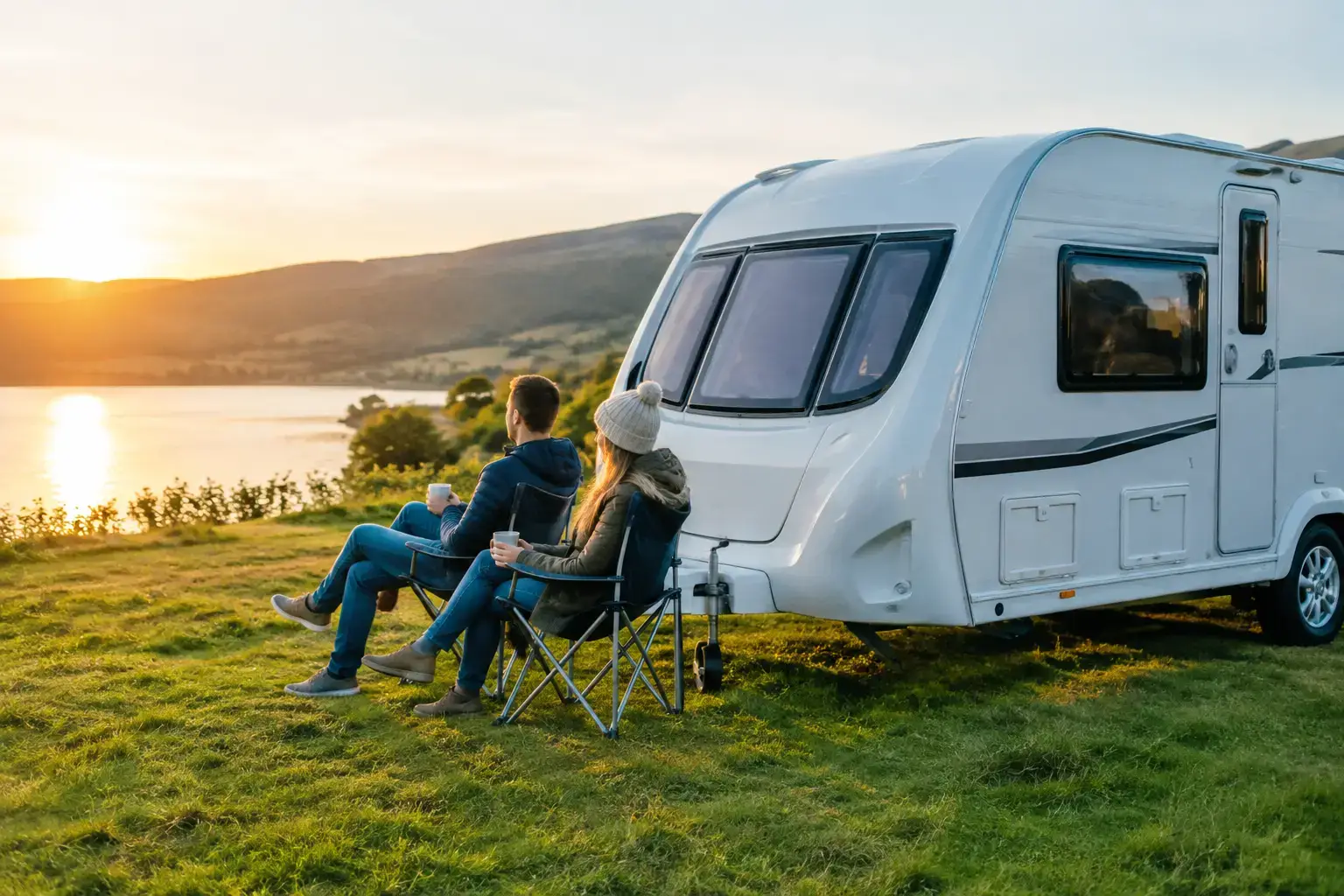
A first caravan should make weekends away feel easier, not give you a long list of worries before you have even left the driveway. The best caravans for first-timers are rarely the biggest, newest or most heavily specified models on the forecourt. They are the ones that suit your tow car, sleeping needs, storage space and budget, while being dry, safe and straightforward to tow.
For many first-time buyers, a good used caravan is the sensible place to start. It gives you room to learn what matters on your own holidays without taking on the cost of a brand-new model. The key is to choose carefully, carry out the right checks and avoid paying for features you will not use.
What makes a caravan right for a first-time owner?
The best first caravan is normally compact enough to handle confidently but practical enough for the people who will use it. A two-berth or four-berth caravan is often a strong starting point for couples and small families. It is generally lighter to tow, easier to store and simpler to pitch on a busy site than a long, twin-axle model.
Before looking at layouts, check what your car can legally and safely tow. The caravan’s Maximum Technically Permissible Laden Mass, often called MTPLM, must be within your vehicle’s towing limit. You also need to consider the combined weight of car and caravan, your driving licence entitlement, and the caravan’s noseweight limit. These figures matter far more than whether the upholstery is your favourite colour.
A smaller caravan can be a more relaxing introduction to towing. It is easier to see in the mirrors, less intimidating when reversing and usually less demanding in crosswinds. That does not mean every first timer must buy a lightweight two-berth. A family with children may need a fixed-bed or bunk-bed layout from day one. The best choice depends on how you genuinely plan to travel, rather than the occasional trip you imagine making in five years’ time.
Best caravans for first-timers: layouts to consider
Two-berth caravans for couples
A two-berth caravan is often the easiest entry point for couples. Popular layouts include a front lounge that converts into a large double bed, with a kitchen and washroom towards the rear. They are compact, often reasonably priced on the used market and quick to prepare for a weekend away.
The trade-off is that you make up the bed each evening unless the caravan has a fixed bed. If you prefer not to move cushions and bedding around, look for a compact fixed-bed model, but expect it to take up more of the caravan’s overall space.
Four-berth caravans for small families
For parents with one or two children, a four-berth can offer the best balance. Fixed bunks are particularly useful because children can go to bed without turning the whole lounge into a bedroom. Side dinettes that convert into bunks are another common option and can work well, although they do require a little more setting up.
A four-berth caravan with a fixed double bed and a convertible front lounge may suit a young family, but check the lounge has enough room for everyone to sit comfortably in wet weather. A caravan can look spacious when empty but feel very different with coats, toys, food and four people inside.
Fixed-bed caravans for regular touring
If you expect to tour frequently, a fixed bed can be worth the extra length and weight. It makes the caravan feel more like a small holiday home and saves time each night. Look for a layout that still leaves a usable daytime seating area.
For first-timers, avoid choosing a fixed-bed caravan simply because it feels luxurious. Check it will fit your driveway or storage pitch and that you are comfortable towing it. A slightly simpler layout that you enjoy towing will deliver more holidays than a larger caravan that never leaves home.
Choose condition over age and extras
A well-kept older caravan is often a better buy than a newer one with signs of water ingress, neglected servicing or damaged running gear. Damp is one of the most important areas to check when buying any used caravan. It can lead to soft floors, damaged walls, mouldy smells and expensive structural repairs.
Look carefully around windows, rooflights, corner panels, locker doors, awning rails and inside cupboards. Press gently around wallboards and window surrounds for softness. A musty smell, staining, bubbling wall covering or loose fittings should prompt more questions. A professional damp report and a recent habitation service provide valuable reassurance, but still inspect the caravan yourself.
Do not be distracted by a motor mover, solar panel, television or expensive-looking upholstery if the basics are not right. Water systems, brakes, tyres, lights, gas appliances and the electrical system all need to be in good order. A caravan that looks clean but has not been serviced for years may cost more than expected to put right.
When viewing, ask for the caravan’s paperwork, service history, manuals, keys and ownership documents. Check the Vehicle Identification Number matches the documents and look for evidence of regular care. A clear, honest conversation about previous repairs is usually a better sign than a seller who cannot answer straightforward questions.
The practical features worth paying for
First-time owners benefit most from features that remove stress on site. A motor mover can make positioning a caravan far easier, particularly on a narrow drive or awkward pitch. It is not essential, but it can be very useful if you do not want the pressure of reversing into tight spaces.
An onboard water system, a usable shower room, decent heating and a fridge that works on the appropriate power sources all make touring more comfortable. Check the condition of the tyres too. Caravan tyres may have plenty of tread but still need replacing because of age or cracking. Ask when they were fitted, and inspect the sidewalls carefully.
A full awning can add a great deal of living space for families staying on one site, but it also adds cost, weight and time. For a first season, a simpler porch awning may be easier to manage. You can always upgrade once you know the type of touring you enjoy.
Budget for more than the caravan price
Your purchase price is only part of the cost of caravan ownership. Allow for insurance, storage if needed, servicing, a towbar if your car does not already have one, mirrors, a breakaway cable, a leisure battery, gas bottles and suitable towing equipment. Depending on the caravan and your experience, towing tuition is also money well spent.
It is wise to keep a contingency fund after buying. Even a carefully inspected used caravan may need a new battery, replacement tyres, a small repair or a few items to make it work for your family. Stretching every pound on the caravan itself can make the first season less enjoyable.
Finance can make a newer or better-equipped caravan more accessible, but keep the monthly commitment realistic. The right caravan is one that leaves enough budget for site fees, fuel and the actual holidays you want to take.
Buy from a seller who gives clear answers
Whether you buy privately or from a dealer, do not rush because another buyer is supposedly waiting. Take time to inspect the caravan in daylight, test what can be tested and ask direct questions about damp, servicing, repairs and reasons for sale.
Buying from an established caravan business can offer added reassurance through checks, preparation and warranty options, depending on the vehicle. At MP Leisure, the focus is on fair and honest advice for buyers looking for a suitable used caravan, not simply the most expensive model available.
If you are replacing an older caravan, do not assume it has no value because it is damp, damaged or no longer practical for your needs. A straightforward valuation and collection service can give you a hassle-free way to move on, rather than leaving an unwanted caravan sitting on the drive.
Take your time before committing
Sit in the caravan with everyone who will use it. Open the cupboards, stand in the shower, try the seating and picture where coats, bedding and food will go. Ask yourself whether you can tow it, store it and afford to maintain it comfortably.
The first caravan does not need to be perfect. It needs to be safe, dry, correctly matched to your tow car and ready for the sort of breaks you will actually take. Choose with care, leave room in the budget for the journey ahead, and your first trip can be the start of many happy touring holidays.