
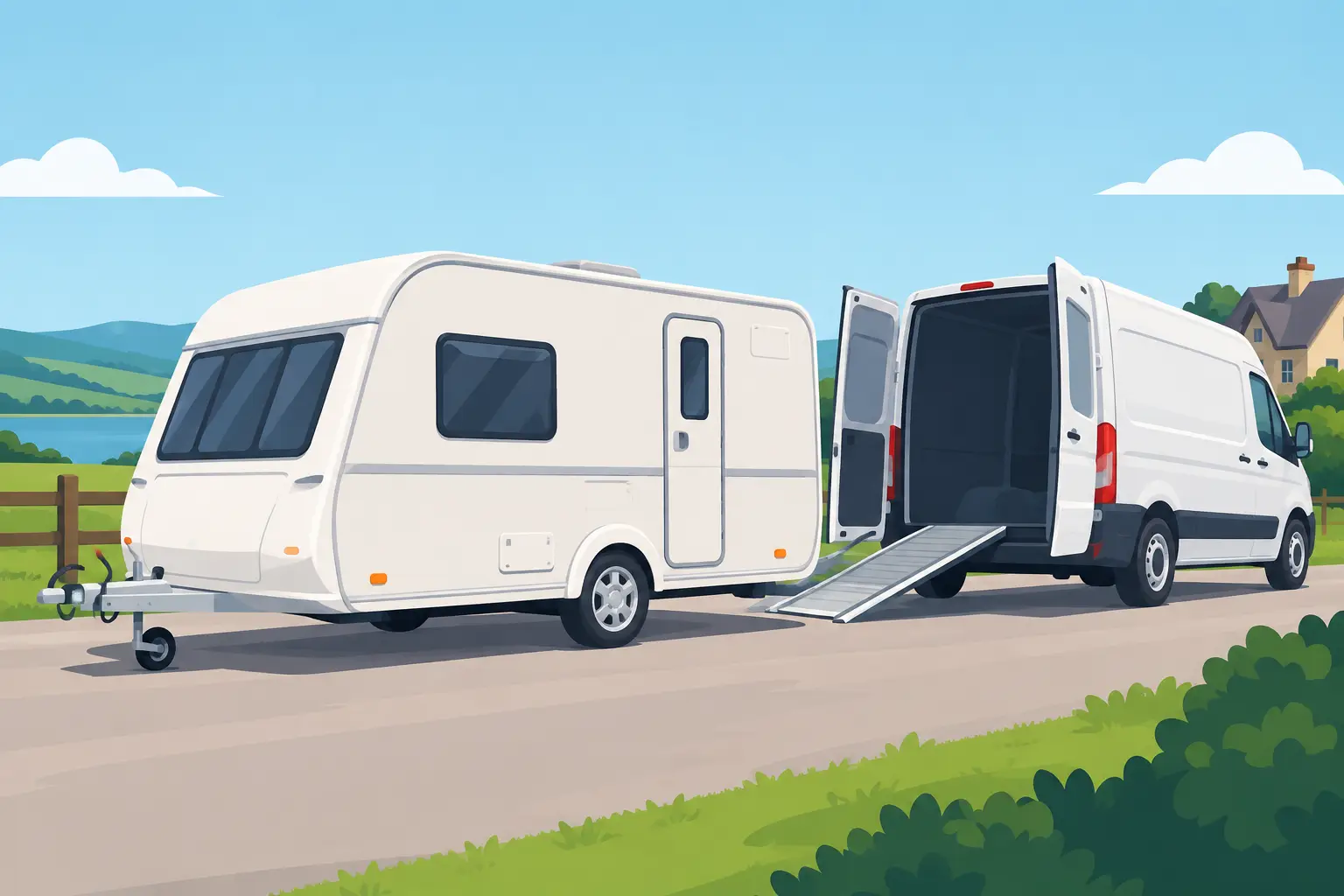
A caravan that is no longer being used can quickly become a costly problem. It may be taking up driveway space, sitting on a seasonal pitch, or developing damp while you decide what to do with it. Private selling is not always the answer, particularly when the caravan is older, needs repairs or cannot be towed safely. A free caravan collection UK service gives owners a practical way to sell without arranging transport, advertising for weeks or dealing with strangers turning up to negotiate.
The key is knowing what a genuine collection service should include. Free collection sounds simple, but it should sit alongside a fair valuation, clear communication and secure payment. Whether your caravan is clean and ready for its next owner or has seen better days, there is a straightforward route to selling it.
When free caravan collection is the right choice
A private sale can achieve a stronger price in some cases, especially for a newer, well-presented caravan with desirable extras. But it also takes time. You will need to prepare the caravan, photograph it, respond to messages, arrange viewings and manage haggling. Then there is the question of whether the buyer can collect it legally and safely.
Collection is often the better option when speed and convenience matter more than chasing the very highest possible figure. It can be particularly useful if the caravan has damp, water ingress, body damage, faulty appliances, tyre problems or has been standing unused for a long time. These are all issues that can make a private sale difficult, but they do not automatically mean the caravan has no value.
Owners also choose collection when they have inherited a caravan, are giving up touring, or are upgrading to a different model. In those circumstances, a clear cash offer and an agreed collection date can remove a great deal of stress.
How free caravan collection UK services usually work
The process should begin with an honest description of the caravan. A buyer will normally ask for the make, model, year, layout, overall condition and where it is located. Photographs are helpful, particularly of any damage, damp marks, soft walls, cracked panels or missing equipment. Being open at this stage helps produce a valuation that is realistic from the outset.
You should then receive a no-obligation valuation or offer. A fair offer takes account of age, specification, condition, market demand and the likely work needed before the caravan can be sold again. It will not always match the figure you may have seen on an advert for a pristine example, but it should reflect the practical value of your particular caravan.
If you decide to proceed, collection arrangements can be made around your location and access. A professional buyer should establish whether the caravan is on a driveway, storage site, holiday park or private land, and whether there are any barriers, narrow lanes or restrictions to consider. This is especially important for non-running caravans or those with damaged wheels.
Payment should be agreed clearly before collection. Ask how and when funds will be transferred, and make sure you are satisfied that payment is confirmed before the caravan leaves. A reputable purchaser will not make vague promises or pressure you into changing the agreed price on the day without a genuine reason that has been explained properly.
What “free collection” should mean
Free collection should mean there is no separate collection charge deducted from your agreed offer. It should not be used as a headline only for the buyer to introduce unexpected transport costs later.
There can be exceptions where access is unusually difficult or where information provided beforehand does not match the caravan at collection. For example, a caravan described as towable may require specialist recovery because it has no wheels, seized brakes or significant structural damage. The important point is that any issue is discussed openly, rather than appearing as a surprise deduction after you have committed to the sale.
At MP Leisure, collection is available nationwide, including for older, damp and damaged caravans. That matters because an unwanted caravan should not become a problem simply because it is not ready for a forecourt or a private advert.
Give an accurate description for a better valuation
It can be tempting to focus on the positives and leave out the awkward details. In practice, this usually delays the sale. An accurate description gives the buyer the chance to plan the right collection method and make an offer with confidence.
Mention the caravan’s condition inside and out. If you know of damp, describe where it is and whether it has been professionally assessed. If a window is broken, a tyre is flat or the floor feels soft, say so. Include details of keys, documents and any accessories that are staying with the caravan, such as an awning, motor mover, battery or spare wheel.
You should also say whether there is outstanding finance. A caravan should not be sold with finance still owing unless this is disclosed and settled through an agreed process. For caravans recorded with CRIS, having the registration details available can help identify the vehicle correctly and make the transaction smoother.
Honesty protects both sides. It avoids wasted journeys for the buyer and prevents you from being left with a caravan that still needs to be moved.
Preparing your caravan for collection
There is no need to spend heavily restoring a caravan simply to sell it for collection. Major repairs rarely make financial sense on an older or damaged model unless you plan to keep using it. A little basic preparation, however, can make collection easier and help ensure nothing important is left behind.
Remove personal belongings from lockers, cupboards and the front chest. Check the paperwork you hold, including service records, manuals, receipts and CRIS documents where available. Take out gas bottles unless the buyer has specifically agreed otherwise, and make sure loose items are secured. If the caravan is on a storage site or holiday park, check the site rules and let the management know a collection vehicle will be arriving.
It is sensible to take photographs of the caravan before it leaves, along with a note of its condition and the agreed sale details. This is not about making the process difficult. It is simple good practice and gives everyone a clear record.
Questions worth asking before you agree
A fast sale should still be a safe sale. Before confirming collection, ask whether the offer is subject to inspection and what could cause it to change. Confirm that collection is genuinely free from your location, how payment will be made, and whether the purchaser will handle the paperwork needed for the transfer.
You can also ask whether they buy caravans in your condition. A business that only wants nearly-new, spotless examples may not be the right fit for a caravan with water damage or a failed habitation system. There is no benefit in accepting an optimistic offer if it is likely to be reduced sharply when the collector arrives.
Look for plain answers rather than sales talk. A good buyer will explain the process, ask sensible questions about access and condition, and give you time to decide. You should never feel pushed into accepting an offer on the spot.
Free collection for damp or damaged caravans
Damp is one of the most common reasons a caravan becomes difficult to sell privately. Buyers may worry about the cost of repairs, and that concern is understandable. Water ingress can affect wallboards, floors, furniture and structural areas, depending on how long it has been present.
Even so, a damp caravan can still be worth selling. Its value may lie in repair potential, usable parts, equipment or its suitability for a buyer experienced in refurbishment. The same applies to accident damage, leaking windows, worn interiors and non-working appliances. Give a full description, share photographs and let the buyer assess it fairly.
If a caravan is beyond economical repair, collection can still be the sensible way to clear it responsibly. Trying to tow an unsafe caravan yourself, or leaving it to deteriorate further, can create more expense and more inconvenience.
A straightforward way to move on
Selling an unwanted caravan does not have to involve weeks of adverts, missed appointments and last-minute price reductions. A fair valuation, confirmed payment and properly organised collection can give you a clean break, wherever you are in the UK.
The best starting point is simply to describe the caravan as it is, not as you wish it were. With clear information and a buyer who understands older and difficult-to-sell caravans, you can arrange collection confidently and put the space, money and time towards whatever comes next.


One Comment