
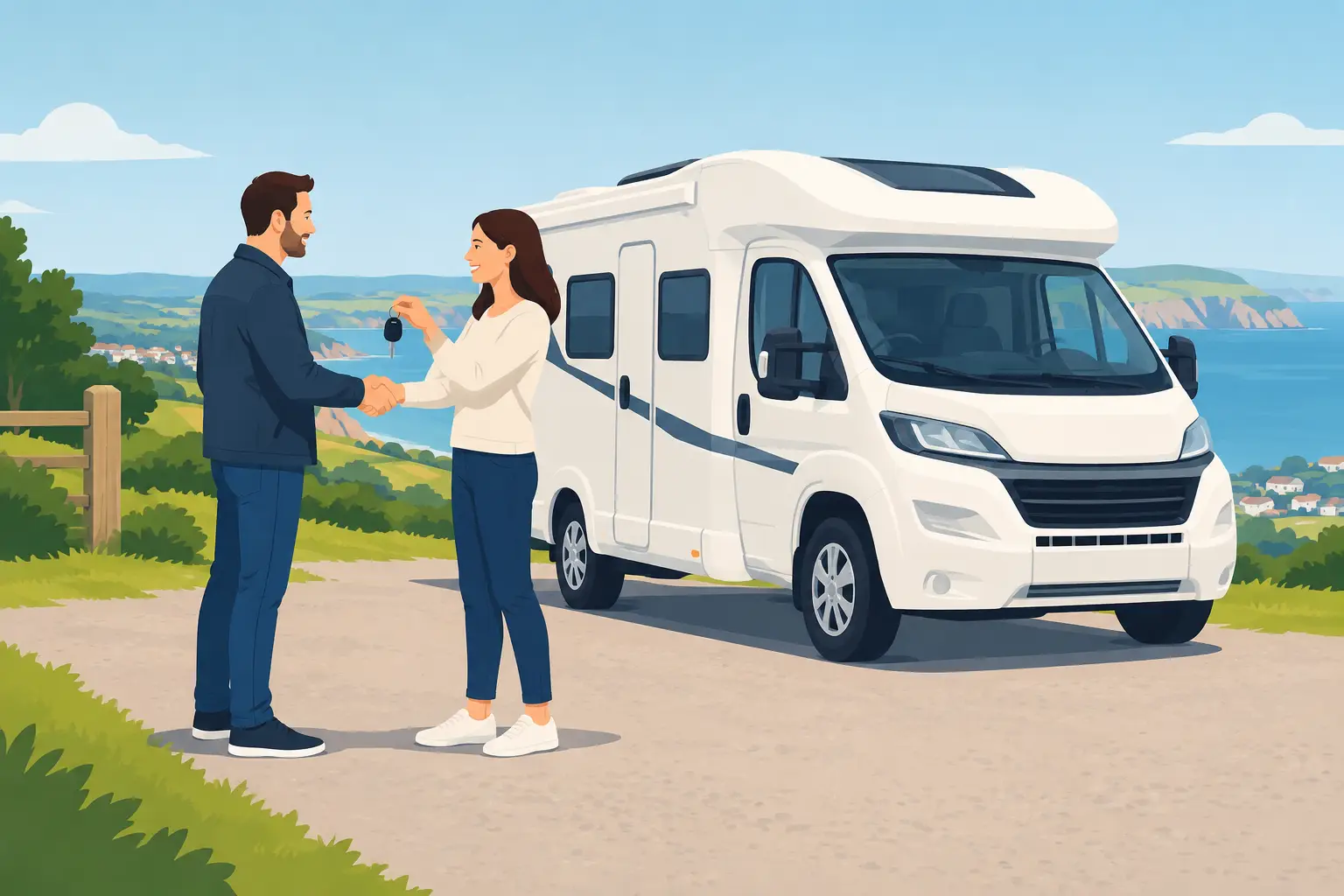
A motorhome that is sitting unused can become an expensive thing to keep. Insurance, storage, servicing and repairs still need attention, even when you are no longer touring. If you want to sell a motorhome quickly in the UK, the best route is rarely just putting an advert online and waiting. A realistic price, clear information and a buyer who can complete the sale matter far more.
For some owners, a private sale will achieve the highest possible figure. For others, especially where time, transport or condition are concerns, a direct purchase with collection is the more sensible choice. The right answer depends on your vehicle and how much work you are prepared to take on.
Start with an honest view of your motorhome
Before deciding where to sell, assess the motorhome as a buyer would. Its make, model, age, mileage, layout and service history all affect its value, but condition is just as important. Water ingress, a non-working fridge, tired tyres, an expired MOT or cosmetic damage do not necessarily prevent a sale. They do need to be declared clearly.
Be particularly honest about damp. A damp reading or visible water damage can put private buyers off if it is discovered late in the process. It is better to explain what you know from the outset, along with any repairs already completed. A straight answer saves wasted viewings and protects you from difficult conversations later.
Gather the paperwork you have available. A complete file gives a buyer confidence and can help a sale move more quickly. Useful items include:
- the V5C registration document in your name
- MOT and service records
- habitation check reports and receipts for repairs
- instruction manuals, spare keys and alarm or tracker details
- finance settlement information, if applicable
Do not worry if you do not have every original document. Older motorhomes often have gaps in their history. Just be clear about what is and is not available.
Prepare it for a quick sale, not a showroom makeover
A basic clean is well worth doing. Empty cupboards and lockers, remove personal belongings, vacuum the interior and wash the exterior. Good daylight photographs of a tidy motorhome make a much better first impression than expensive cosmetic work that may not add back its cost.
There is a balance to strike. Replacing a cheap broken locker catch, fitting a missing curtain or changing a blown bulb can be sensible. Spending thousands on upgrades because you think every buyer will share your taste usually is not. A new television, fashionable upholstery or expensive accessories may make the vehicle more pleasant to use, but they do not always make it easier to sell.
If the motorhome is not roadworthy, be open about that too. It can still have value to a dealer, repairer or buyer looking for a project. Trying to disguise the issue only delays the sale.
Price your motorhome to attract genuine interest
The quickest way to lose time is to advertise at an unrealistic price and reduce it gradually over several months. Look at comparable motorhomes of a similar age, specification and condition, then allow for the differences. A low-mileage example with recent servicing, a current MOT and a clean interior is not directly comparable with one needing work.
Online asking prices are only one guide. They do not show what the vehicles actually sold for, how long they were advertised, whether they had faults or whether the final price was reduced. A professional valuation can give you a more practical starting point.
There is also a clear trade-off between price and speed. A private buyer may pay more, but the sale can involve advertising fees, repeated enquiries, no-shows, negotiation and test-drive arrangements. A dealer cash offer may be lower than the best private-sale figure, but it reflects the costs and risks of preparing, warranting and reselling the motorhome. If you need funds promptly, that certainty can be worthwhile.
Choose the best route to sell a motorhome quickly in the UK
A private advert works best when the motorhome is presentable, well documented and you are happy to manage the process. Take clear photographs of the exterior, cab, lounge, kitchen, washroom, beds, storage areas and any marks or damage. Include the key facts: registration year, mileage, number of berths, engine, transmission, MOT position, service history and known faults.
Be careful with vague descriptions such as “excellent condition for its age”. Buyers will interpret that differently. A simple, factual description is more effective. If there is a cracked rear light, say so. If the boiler is untested, say that too. The serious buyers will appreciate the honesty.
A part exchange can be useful if you are moving into another caravan, campervan or motorhome. It reduces the number of separate transactions and avoids having to store two leisure vehicles while you wait for one to sell. The figure offered may not match a strong private sale, but the convenience can make it a sensible option.
A direct sale to an established leisure vehicle dealer is often the fastest route where you want a clear price and minimal disruption. This is particularly helpful for older vehicles, damp units, accident-damaged motorhomes or vehicles that have been standing for a long time. A dealer with the ability to collect nationwide can remove the concern of driving an unfamiliar or unreliable motorhome to a buyer.
MP Leisure offers no-obligation valuations, cash purchases and free collection across the UK, including for motorhomes that are damaged or difficult to sell. With more than 30 years of industry experience, the focus is on giving owners a fair and honest appraisal rather than asking them to spend weeks handling enquiries.
Keep the transaction safe and straightforward
When selling privately, do not hand over keys, paperwork or the motorhome until cleared payment is confirmed in your account. A screenshot of a bank transfer is not proof that funds have arrived. Be cautious with unusual payment requests, third-party collection arrangements and anyone who pressures you to release the vehicle before the money is cleared.
Accompany prospective buyers on viewings and test drives. Check that any driver is insured to drive the motorhome, and keep control of the keys when you are not present. You should also complete the appropriate V5C transfer process when the sale is finalised and keep a written record of the agreed price, date, vehicle registration and any faults disclosed.
If there is outstanding finance, settle it properly before completion or agree a transparent process with the purchaser. A motorhome with finance recorded against it can be difficult to transfer, and attempting to sell it without dealing with the balance can cause serious problems for both parties.
Do not let small delays turn into months
Owners often put off selling because they plan to get one last repair done, wait for better weather or find more paperwork. Sometimes that makes sense. But if you know you are unlikely to use the motorhome again, each delay brings more storage, insurance and maintenance costs.
Set a practical deadline. If you choose a private sale, decide how long you will advertise before reviewing the price or changing route. If you have had plenty of views but no serious enquiries, the price or description may be wrong. If people enquire but do not proceed after viewing, condition or expectations may not be matching the advert.
A quick sale does not have to mean accepting the first low offer. It means being realistic about the vehicle, choosing a buyer who can proceed and keeping the process clear from the first conversation. Whether your motorhome is ready for its next holiday or ready to leave the driveway for good, an honest valuation and a dependable collection arrangement can make moving on far easier.