
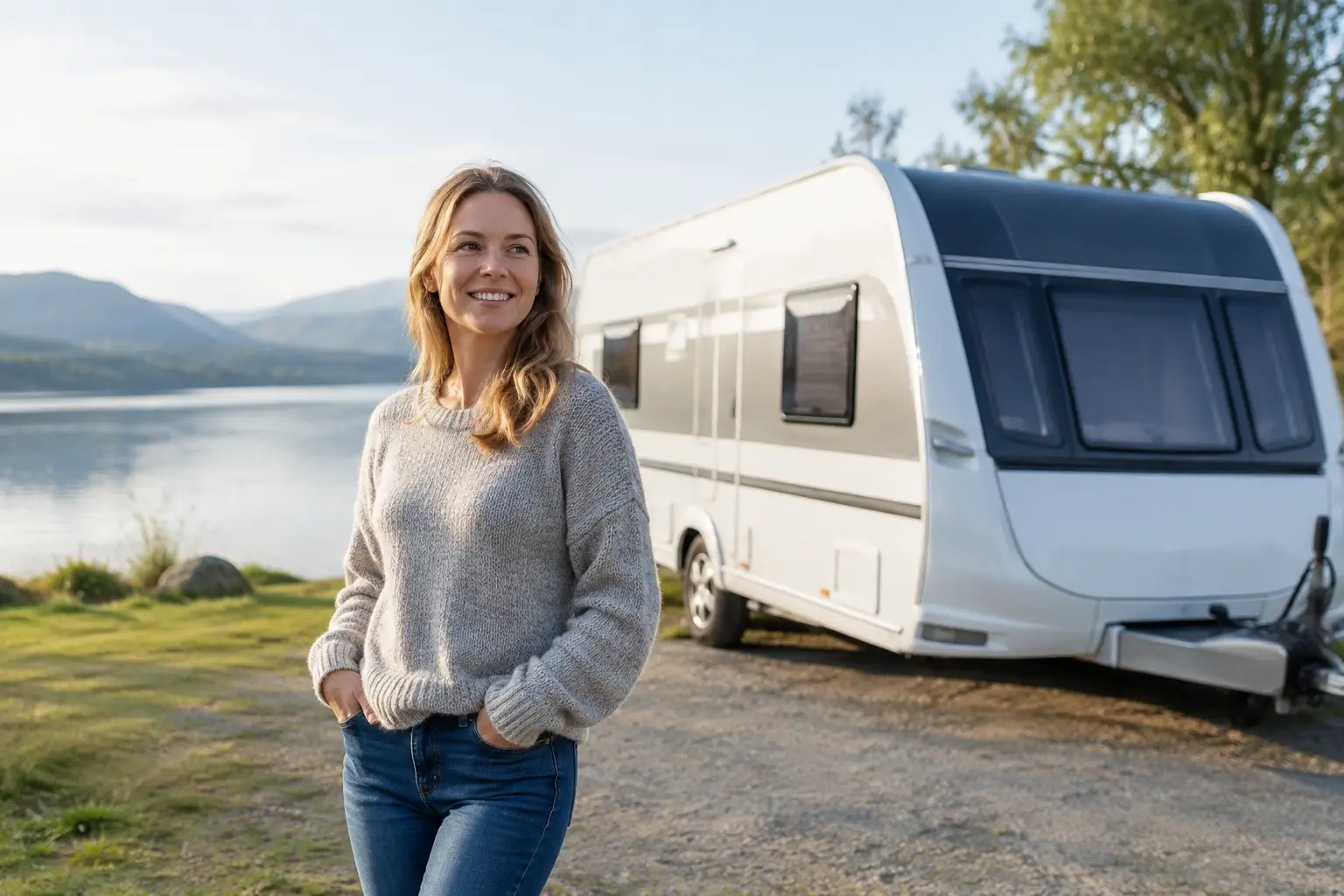
A caravan that once meant weekends away can quickly become a job waiting on the drive. If you are searching for “sell my caravan”, you may be upgrading, no longer touring, dealing with a repair bill, or simply ready to free up the space and money. Whatever the reason, the right route should be straightforward: a fair and honest price, clear communication, secure payment and collection arranged around you.
For some owners, a private sale brings the best possible return. For others, the time, tyre-kicking messages and need to move a large vehicle make a direct sale to an experienced buyer the more sensible choice. The key is knowing what your caravan is worth, what buyers will ask, and how to avoid unnecessary delays.
Sell My Caravan: Choose the Route That Suits You
There is no single best way to sell a caravan. It depends on its age, condition, paperwork, the urgency of your sale and how much effort you want to put into it.
A private sale can work well for a clean, desirable caravan with a full service history. You set the asking price and can wait for an enthusiast who sees its value. The trade-off is that you will need to create the advert, take calls, arrange viewings, answer questions, negotiate and make sure the payment is secure. You may also need to keep it insured and stored while it is for sale.
Part exchange is useful when you are buying another caravan, motorhome or campervan. It keeps the transaction simple, although the allowance offered may be lower than a strong private-sale price.
Selling directly to a specialist buyer is often the hassle free option when speed and certainty matter. A professional buyer can assess the caravan, agree a price, arrange payment and organise collection. This is particularly helpful if the caravan is not roadworthy, has been standing for a while, or is parked away from home.
MP Leisure buys used caravans, motorhomes and campervans all year round, including vehicles that private buyers may avoid. That means owners have a clear option when they do not want a long and uncertain sales process.
What Affects Your Caravan’s Value?
Condition matters, but it is not the only factor. Two caravans of the same model and year can be valued very differently depending on their layout, history and overall care.
A buyer will usually consider the make, model, age, berth, interior layout, service records, ownership documents and whether the caravan has a valid CRiS registration where applicable. Popular layouts, well-kept upholstery, working appliances and evidence of regular servicing can all support a stronger valuation. Extras such as motor movers, awnings, solar panels and alarm systems may add value too, though they do not always return their full original cost.
Be open about faults from the start. Damp, soft floors, damaged panels, leaking windows, failed appliances or a caravan that will not move are all relevant. Honest detail does not automatically stop a sale. It allows a buyer to price the vehicle properly and prevents a difficult conversation later.
Damp and damage do not always mean no sale
Damp is one of the biggest concerns in the caravan market because repairs can be labour-intensive. A damp reading, visible staining or a musty smell can put off private buyers, especially if they are new to caravanning. The same applies to accident damage, water ingress, missing keys and long-standing mechanical issues.
That said, these caravans can still have a value. Specialist buyers may have the experience, parts access or repair routes to take them on. Rather than paying for work that may not increase the sale price enough to justify it, ask for a valuation in its current condition. Explain what you know, share photographs where requested and let the buyer make a fair assessment.
Prepare Before You Ask for a Valuation
You do not need to spend weeks preparing a caravan for sale, but a little organisation makes the process smoother. Give it a basic clean, remove personal belongings and make sure a buyer can see the interior, locker areas and paperwork clearly. There is no need to disguise defects – clear presentation is different from hiding problems.
Have the following details ready when possible:
- The make, model, year and registration number
- The caravan identification number and CRiS documents, if held
- Service history, manuals and receipts for recent work
- Details of any finance, insurance claim or outstanding issue
- Honest information about damp, damage, tyres, appliances and towing condition
- Your collection location and whether access is straightforward
Good photographs help a buyer provide an initial indication. Take pictures in daylight of both sides, the front and rear panels, lounge, kitchen, washroom, bedrooms and any areas of concern. Include close-ups of damage rather than hoping it will go unnoticed. An accurate description saves time for everyone.
Be Realistic About Price and Timescale
Online adverts can make caravan pricing look confusing. Asking prices are not the same as completed sale prices, and an immaculate caravan sold in peak season is not a direct comparison for one needing work in November.
Before deciding what you will accept, think about the full cost of waiting. Storage fees, insurance, depreciation, repairs, servicing and the time spent handling enquiries all have a value. If you need the caravan gone promptly, a fair direct offer with free nationwide collection can be worth more than holding out for an uncertain higher figure.
Equally, be cautious of a figure that sounds too good to be true before anyone has asked sensible questions about condition. A dependable buyer should explain how they reach a valuation and confirm whether the offer is subject to inspection. Clear expectations are better than a headline price that changes on collection day.
Make Collection and Payment Simple
Collection is often where caravan sales become stressful. A caravan may be on a seasonal pitch, in storage, on a narrow driveway or have tyres that have deteriorated while standing. Tell the buyer early if it cannot be towed safely, has no current road lights or needs a specific collection arrangement.
A professional caravan buyer should discuss access, agree a suitable date and bring the right equipment for the job. Free collection is especially useful for owners who no longer have a tow car, do not want strangers arriving for viewings, or live some distance from a dealer.
Payment should be equally clear. Confirm the agreed price, the payment method and when funds will be received before handing over the caravan and documents. Keep a written record of the sale, including the vehicle details, date, price and the names of both parties. If there is outstanding finance, deal with it openly before completion so ownership can transfer correctly.
Do not forget the paperwork
Once the sale is completed, provide the documents you have agreed to hand over, along with keys, manuals and service records. Remove any personal data from paperwork and take a copy of the sale receipt for your records. If the caravan has a tracker, storage agreement or insurance policy, contact the relevant provider afterwards to update or cancel it.
If you are selling a motorhome or campervan as well as, or instead of, a caravan, the registration process is different. Make sure the keeper details are updated correctly and tell the buyer about any modifications, finance or mechanical concerns.
Questions Sellers Often Ask
Can I sell a caravan with damp?
Yes. The price will reflect the extent of the problem, but damp caravans can still be bought by businesses equipped to repair or break them for parts. Full disclosure gives you the best chance of an honest offer and a smooth collection.
Do I need to repair damage before selling?
Not necessarily. Minor cosmetic work may improve presentation, but major repairs can be expensive and may not pay back. Ask what the caravan is worth as it stands before committing to repair work.
How quickly can a caravan be collected?
That depends on location, access, condition and the buyer’s schedule. Providing accurate details at the valuation stage helps collection be arranged more quickly. If you have a deadline, say so at the start.
What if my caravan has no service history?
It can still be sold. Missing history may affect the value, particularly on newer caravans, but condition, model and demand still count. Be clear about what paperwork is available rather than guessing.
Selling should not feel like a drawn-out project. Give an honest picture of your caravan, ask questions about the offer and collection process, and choose the option that gives you confidence. A fair price and a smooth handover leave you free to plan whatever comes next.