
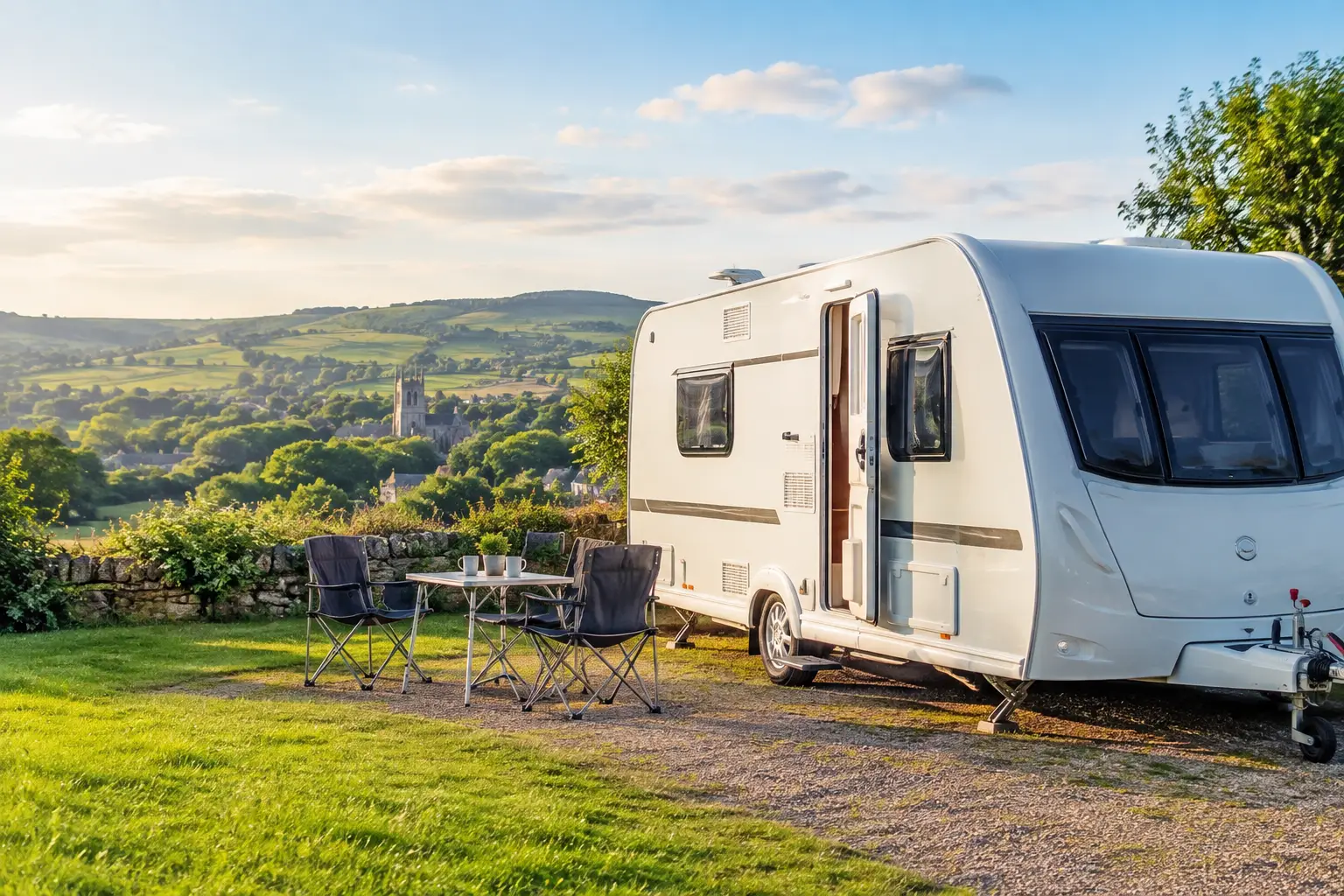
A touring caravan gives you the freedom to wake up near the Cotswolds one weekend and head towards the Forest of Dean the next. Touring caravan hire Gloucestershire can be a sensible way to try that lifestyle before committing to ownership, particularly if you are new to towing, unsure which layout suits your family, or simply want a well-earned break without the long-term responsibility of storing and maintaining a caravan.
Hiring is not always the cheapest option for frequent travellers, and it does require a little planning. But for a first trip, it can answer questions that brochures and dealership visits cannot: Is your car comfortable towing? Do you actually need a fixed bed? Will the children settle in a compact lounge? A few nights away can make the decision much clearer.
What touring caravan hire in Gloucestershire usually includes
A touring caravan is designed to be towed behind your own suitable vehicle and pitched on a touring site. This is different from hiring a static caravan, which stays in one place and is usually more like a holiday lodge. Make sure you are booking the right type, as the requirements, collection arrangements and insurance can be very different.
Most touring caravan hire arrangements include the caravan itself, basic kitchen equipment, electrical hook-up leads and safety equipment. Bedding, towels, awnings, generators, towing mirrors, gas and cleaning charges may be included, optional or charged separately. Ask for a clear list before paying a deposit, rather than assuming that every item is supplied.
The caravan should be clean, roadworthy and equipped with the essentials for its age and layout. You should also be shown how to operate the water system, heating, fridge, hob, toilet and electrical controls. If you have never towed or used a caravan before, a proper handover is not a luxury – it is part of a safe, enjoyable trip.
Check your car before you book
The biggest practical question is whether your vehicle can legally and safely tow the caravan. Do not choose a caravan based only on how many people it sleeps. Its weight matters just as much.
Look at the caravan’s Maximum Technically Permissible Laden Mass, often shortened to MTPLM, and compare it with your vehicle’s towing limit. You also need to consider the combined weight of the car, caravan, passengers and luggage. Your driving licence entitlement may affect what you can tow too, especially if you passed your test after 1 January 1997.
A reputable hirer should ask about your tow car, licence and experience before confirming a booking. If they do not, take that as a reason to ask more questions. You will normally need a towbar that is correctly fitted and rated, towing mirrors, a suitable electrical connection and insurance that covers the hired caravan.
It is worth checking the small print on excess levels and damage exclusions. Reversing damage, tyre damage, awning damage and water ingress are all areas where charges can vary. Take photographs at collection, report any existing marks immediately and do not rush the handover.
Towing confidence is part of the holiday
A caravan can feel intimidating for the first few miles, even for a confident driver. Choose a collection time that gives you daylight and plenty of time to reach your first site. Avoid planning a long motorway journey immediately after collection if possible.
Before setting off, practise checking the mirrors, allow more distance for braking and remember that tight petrol station forecourts are not always caravan-friendly. On site, take your time when manoeuvring. Most experienced caravanners have made a less-than-perfect reverse at some point, so there is no need to feel rushed or embarrassed.
Choosing the right caravan layout
For couples, a compact two-berth caravan with a rear washroom may feel spacious and easy to tow. Families often prefer a four- or six-berth layout with fixed bunks or a separate sleeping area, as converting beds every evening quickly loses its appeal on a wet holiday.
A fixed double bed is convenient, but it takes up valuable floor space. A large front lounge offers flexibility and can be excellent for daytime relaxing, yet it usually needs making into a bed at night. The best arrangement depends on how you spend time inside the caravan, not just the number of berths printed on the side.
Think honestly about the weather as well. Gloucestershire can provide glorious sunny breaks, but a rainy afternoon is much easier in a caravan with enough seating, useful storage and a layout that lets people move around without constantly climbing over each other.
Where to stay with a hired touring caravan
Gloucestershire is well suited to a touring break because it offers a good mix of countryside, market towns, family attractions and walking routes. The Cotswolds is popular for village stays and relaxed sightseeing, while the Forest of Dean suits cycling, woodland walks and outdoor days. The Severn Vale and areas around Tewkesbury can be a good choice for those who enjoy riverside scenery and historic towns.
Book a touring pitch, not simply a campsite. Confirm the pitch is suitable for the length of your caravan and tow car, and check whether it has electric hook-up, a hardstanding, water nearby and drainage facilities. If you are travelling in school holidays or over a bank holiday, book early. Smaller rural sites can have limited availability and may have arrival-time rules.
Site etiquette is straightforward but matters. Keep noise low in the evening, observe the speed limit, use the designated disposal points and leave your pitch tidy. If you hire an awning, check the site allows one and whether its use is sensible in changeable weather.
Work out the true cost of hiring
The advertised weekly rate is only one part of the cost. Add the security deposit, insurance excess, campsite fees, fuel, optional equipment and any cleaning or late-return charges. Gas usage may be included up to a certain amount, while some hirers may charge separately for refills.
For a one-off holiday, hiring can still represent good value because you are not paying for annual servicing, storage, insurance, tyres, repairs or depreciation. For several trips a year, the figures may begin to point towards buying a used caravan instead. There is no single right answer – it depends on how often you expect to travel and how much flexibility you want.
Hiring can also help you avoid an expensive mismatch. A family that hires a large six-berth may find it is ideal for summer holidays but too heavy or bulky for regular weekend trips. Equally, a couple may discover that a lightweight two-berth is perfectly adequate and easier to store and tow.
Make your first trip easier
Pack lighter than you think you need. Caravan cupboards fill quickly, and every item adds weight. Bring weather-appropriate clothing, food for the first evening, phone chargers, a torch and any medication, then leave room for the practical basics supplied by the hirer.
When you arrive, level the caravan before setting up inside. Connect the electric hook-up carefully, fill the water system as shown at handover and test the lights, heating and fridge before you unpack everything. It is much easier to resolve a query while the site office and hirer are available.
Do not judge caravan life by a single imperfect trip. The first outing involves learning routines, from packing to pitching. By the second or third night, most people find that the pace slows down and the appeal becomes obvious: your own space, your own meals and the freedom to change the view whenever you choose.
When hiring points towards buying
If you enjoy the towing, like the independence and can see yourselves using a caravan regularly, a hire break can become a useful stepping stone to ownership. You will know which berths, weights and features matter, making it easier to shop with confidence rather than being swayed by a shiny interior.
For owners ready to move from hiring to buying, or those looking to sell an older, damp or damaged caravan, MP Leisure offers a fair and honest route with free nationwide collection. The important thing is to choose a caravan that suits your real trips, your tow car and your budget – then give yourself time to enjoy where it can take you.